"CRISPR Gene Editing Could Be Key to Treating Inherited Diseases, Study Finds"
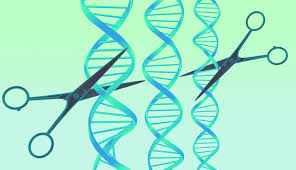
CRISPR Gene Editing: A Breakthrough in Treating Inherited Diseases
CRISPR-Cas9, a revolutionary gene-editing technology, has emerged as a promising tool in the fight against inherited genetic disorders. By enabling precise modifications to DNA, CRISPR offers potential cures for conditions previously deemed untreatable.
Understanding CRISPR-Cas9
CRISPR-Cas9 functions like molecular scissors, allowing scientists to target and alter specific DNA sequences. This precision facilitates the correction of mutations responsible for various inherited diseases, including sickle cell disease, β-thalassemia, Duchenne muscular dystrophy, cystic fibrosis, and certain forms of inherited blindness Clinical Advancements
In 2023, the FDA approved Casgevy, the first CRISPR-based therapy, for treating sickle cell disease and transfusion-dependent β-thalassemia. This therapy involves editing a patient's stem cells to produce healthy hemoglobin, significantly reducing symptoms and hospital visits