"NASA's James Webb Space Telescope Reveals Exoplanets With Potential for Life"
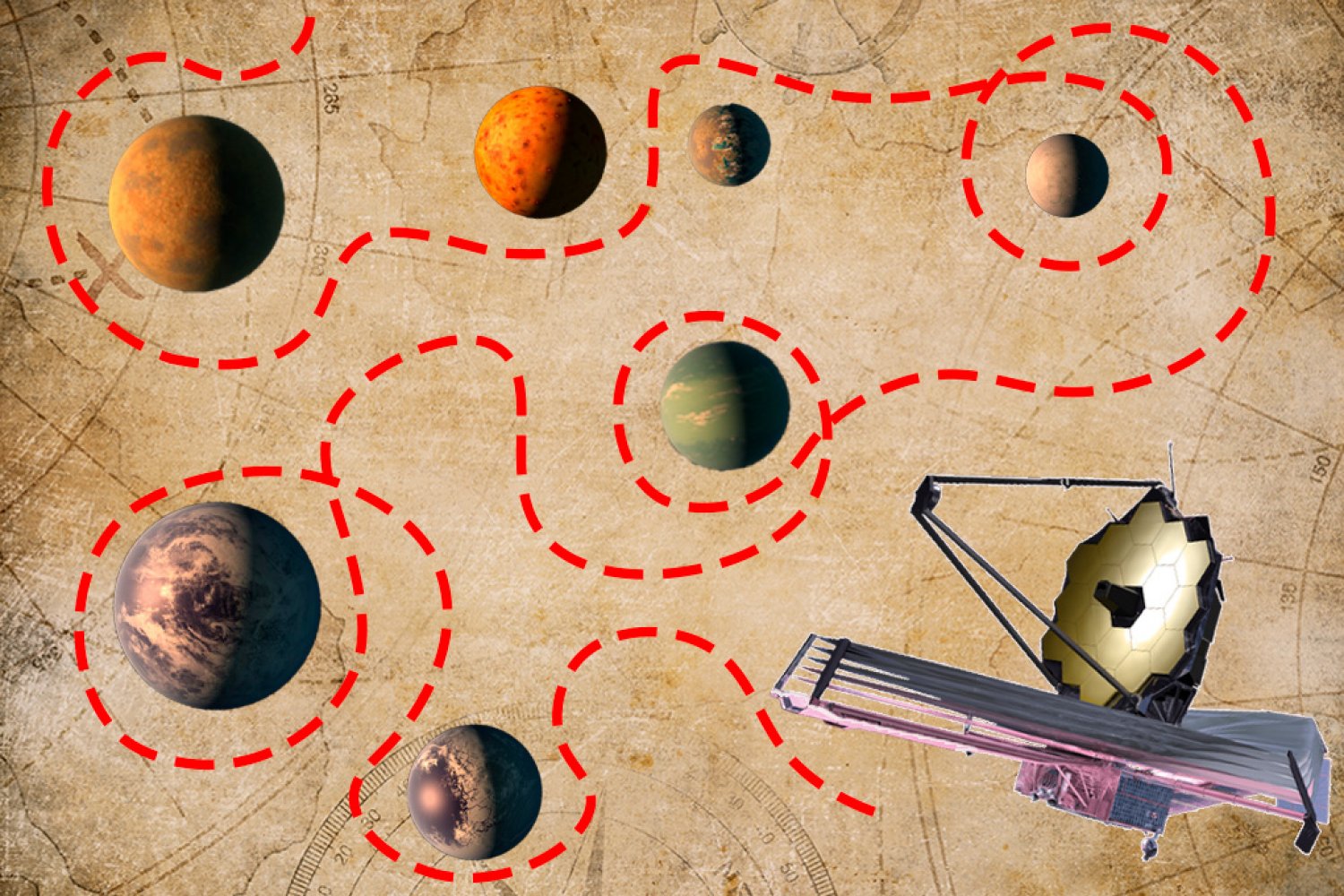
NASA's James Webb Space Telescope Reveals Exoplanets With Potential for Life
NASA's James Webb Space Telescope (JWST) has made groundbreaking strides in the search for extraterrestrial life, particularly through its observations of exoplanets in the habitable zones of their stars. These regions are where conditions might allow liquid water to exist—considered essential for life as we know it. K2-18b: A Potentially Habitable World
One of the most promising candidates identified by JWST is exoplanet K2-18b, located approximately 124 light-years away in the constellation Leo. This planet, about 8.6 times the mass of Earth, resides in the habitable zone of its red dwarf star, K2-18. In 2023, JWST detected methane and carbon dioxide in its atmosphere, suggesting the presence of carbon-based molecules Building upon these findings, a recent study published in The Astrophysical Journal Letters reported the detection of dimethyl sulfide (DMS) and dimethyl disulfide (DMDS) in K2-18b's atmosphere. On Earth, these compounds are primarily produced by marine microorganisms such as phytoplankton, raising the possibility of biological activity on the exoplanet