"Scientists Discover New Species of Deep-Sea Fish in the Mariana Trench"
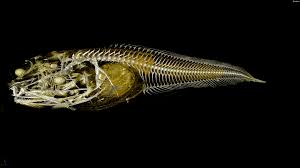
Scientists Discover New Species of Deep-Sea Fish in the Mariana Trench
In a groundbreaking discovery, scientists have identified a new species of deep-sea fish in the Mariana Trench, the deepest part of the world's oceans. This remarkable find adds to our growing understanding of the mysterious ecosystems that exist in the most remote and inaccessible parts of our planet. The Mariana Trench, located in the western Pacific Ocean, reaches depths of over 36,000 feet (about 11 kilometers), making it a challenging environment for researchers to explore. The discovery of a new species of fish in this extreme habitat not only expands the known diversity of life in the deep ocean but also sheds light on the unique adaptations that enable organisms to survive in such harsh conditions.
The new species, which has yet to be formally named, was discovered during a series of deep-sea expeditions using advanced remotely operated vehicles (ROVs) and manned submersibles designed to withstand the crushing pressures and frigid temperatures of the deep ocean. The fish was found at depths of around 27,000 feet, in an area of the trench that had never been thoroughly studied before. This discovery highlights the vast, unexplored biodiversity that may still exist in the abyssal zones of the ocean, where life continues to thrive in isolation from the surface world.
Scientists are particularly intrigued by the unique physical and biological features of the newly discovered fish species. Deep-sea organisms, including fish, must adapt to extreme conditions such as complete darkness, near-freezing temperatures, and immense pressure—conditions that are far beyond what most life forms on Earth can tolerate. The new species of fish has evolved a number of fascinating adaptations to survive in this environment, including specialized bioluminescent organs that allow it to produce its own light. This ability to generate light is essential for navigating the pitch-black depths of the Mariana Trench, where sunlight cannot penetrate. The bioluminescence may also help the fish attract prey or communicate with others of its kind.
Additionally, the fish's body structure is specially adapted to the immense pressure found at these depths. Unlike most animals, which have rigid skeletons, the fish's bones are much less dense and more flexible, helping it cope with the crushing forces of the deep ocean. This unique adaptation allows the fish to maintain its shape and functionality in an environment where most creatures would be crushed. The fish’s diet is believed to consist of smaller organisms that inhabit the trench, including crustaceans and other invertebrates, which are abundant at these extreme depths.
The discovery of this new fish species is also a reminder of how little we know about the deep-sea ecosystem. Despite advances in technology and research, the vast majority of the ocean, particularly the deepest parts, remains largely unexplored. The Mariana Trench, which is often compared to outer space in terms of its harshness and isolation, holds immense scientific value. Understanding the life forms that inhabit this abyssal environment could offer valuable insights into evolutionary biology, the potential for life on other planets, and the resilience of life in extreme environments.
In addition to the scientific value, this discovery also raises awareness about the importance of preserving deep-sea ecosystems. The deep ocean plays a crucial role in regulating the Earth's climate, and the unique species that inhabit it are vulnerable to the impacts of human activities such as deep-sea mining, pollution, and climate change. As we continue to explore the depths of our planet, it is essential that we also take steps to protect these fragile ecosystems for future generations.